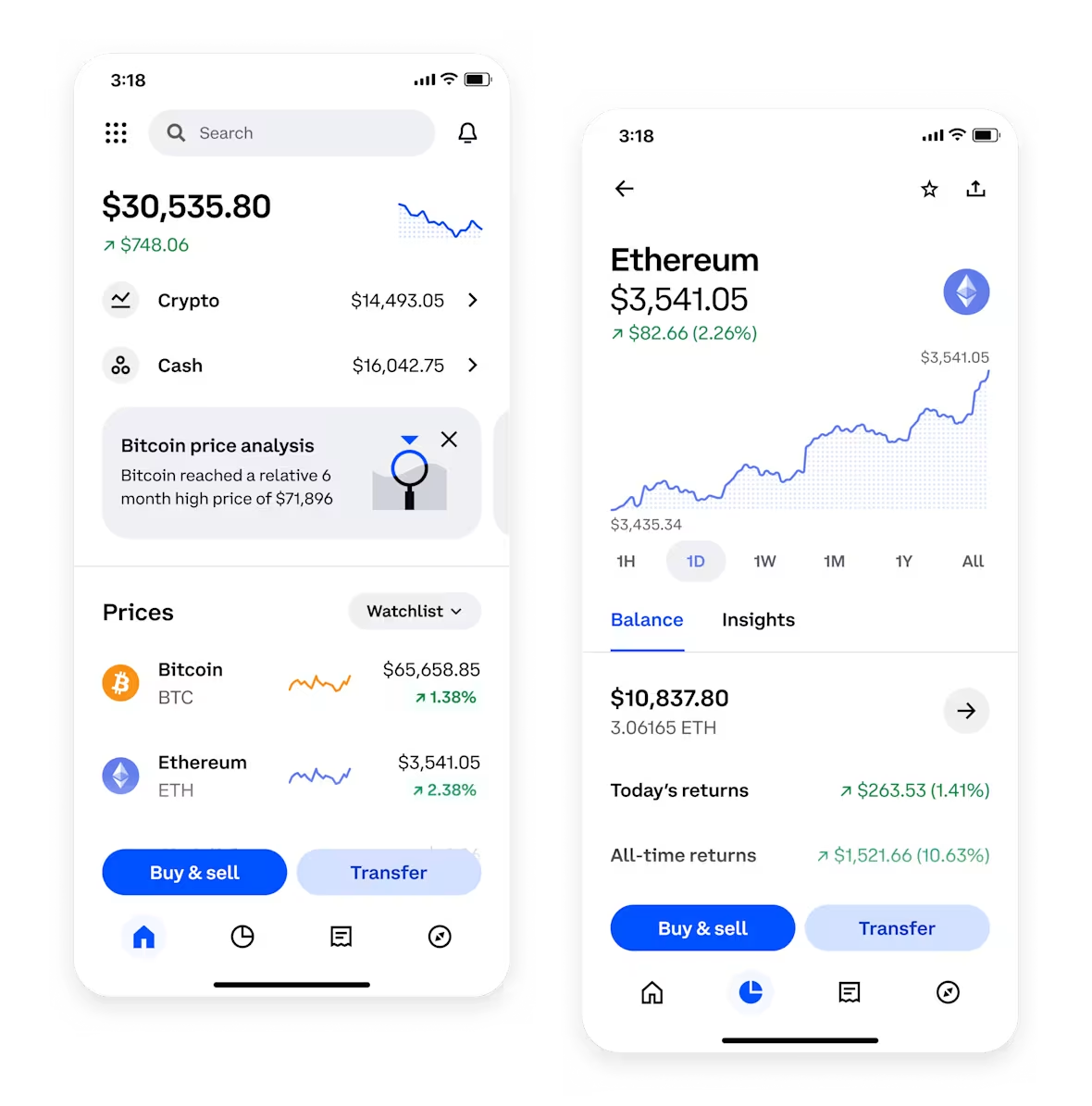
Bitcoin storage on the Binance exchange is one of the most common entry points for new cryptocurrency users. When people search for "how to store Bitcoin on Binance" or "using Bitcoin storage on Binance," they are often looking for practical steps to deposit, hold, and manage their BTC within the platform. This guide explains the core functions, key features, and safety considerations for storing Bitcoin on Binance.
First, understanding the deposit process is essential. To store Bitcoin on Binance, you need to navigate to your wallet section and select "Deposit." The system will generate a unique Bitcoin address. This address is a string of alphanumeric characters that serves as your receiving point. Copy this address and paste it into the wallet or exchange from which you are sending Bitcoin. Always double-check the address format; Binance supports both legacy and SegWit addresses, but using the correct one can reduce transaction fees and speed up confirmation times.
Once deposited, your Bitcoin is held in Binance's centralized wallet infrastructure. The exchange provides two main wallet types: the Funding Wallet and the Spot Wallet. The Funding Wallet is designed for deposits, withdrawals, and immediate trading. The Spot Wallet is used for active trading pairs. When you deposit BTC, it typically lands in your Spot Wallet by default. You can transfer between these wallets freely. For long-term storage, some users prefer to leave funds in the Funding Wallet to avoid accidental trading, but neither wallet offers the same security as a cold wallet or hardware device.
Security is a major concern when storing Bitcoin on Binance. The exchange uses multi-tier security systems including two-factor authentication (2FA), withdrawal whitelist addresses, and device management. To protect your stored Bitcoin, enable 2FA via Google Authenticator or a hardware key. Also set a withdrawal whitelist: this restricts any BTC withdrawal to only pre-approved addresses. Even if someone gains access to your account, they cannot move your Bitcoin to an unrecognized wallet. Binance also offers a "Safe" or "Vault" feature for added withdrawal time locks, which can prevent immediate theft.
Another important feature is the ability to earn passive income on stored Bitcoin. Binance provides several products such as Flexible Savings, Locked Savings, and Binance Earn. You can lend your BTC to the platform or to other users in exchange for interest. This is not traditional storage; it involves risk because your Bitcoin is temporarily lent out. However, for users looking to grow their holdings while keeping funds on the exchange, this is a popular option. Always read the terms, as lock-up periods and variable rates apply.
Withdrawing Bitcoin from Binance is straightforward. Go to Withdraw, enter the destination address (preferably a private wallet you control), and confirm. The exchange charges a small network fee, which varies based on blockchain congestion. For security, new withdrawal addresses often have a 24-hour hold period. This feature prevents hackers from quickly draining your account. If you store Bitcoin on Binance for trading purposes, this is acceptable, but for large amounts intended for long-term holding, moving Bitcoin to a personal non-custodial wallet is strongly recommended.
Finally, consider the risks. Binance is a centralized exchange, meaning it holds private keys for user funds. This introduces counterparty risk: if Binance suffers a hack, regulatory seizure, or insolvency, your Bitcoin could be at risk. While Binance has a Secure Asset Fund for Users (SAFU) that covers losses from breaches, it is not a guarantee. For serious investors, "not your keys, not your coins" remains the golden rule. Storing Bitcoin on Binance is convenient for active traders, but for passive holding, always move your BTC to a hardware wallet or a self-custody solution like a software wallet with private key control.
In summary, using Binance to store Bitcoin involves depositing to your unique address, utilizing Funding or Spot wallets, securing your account with 2FA and whitelist, exploring earn products, and understanding withdrawal procedures. While the platform offers high liquidity and user-friendly features, it should not be your only storage method for significant amounts. For the best practice, keep a small portion on Binance for trading and the majority in personal, offline storage. This balance ensures both accessibility and security for your Bitcoin holdings.